
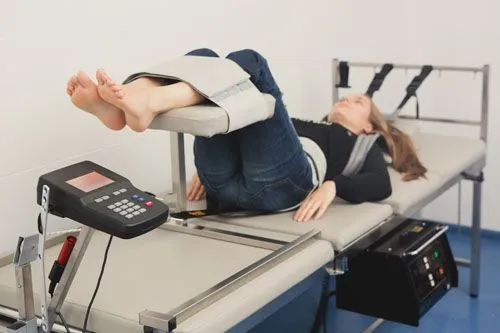
Spinal Decompression is a gentle therapy that takes pressure off the disc and nerves in your spine. Think of the discs like little cushions between the bones in your spine. Over time, those cushions can get flattened, bulged, or injured, which puts pressure on the nerves and can cause pain, numbness, or tingling.
What to Expect from Spinal Decompression
During spinal decompression, the table gently stretches and relaxes your spine in a controlled way. This creates a pumping action—kind of like squeezing and releasing a sponge. When your spine is stretched, it pulls in blood, oxygen, and nutrients into the discs. When it relaxes, it lets waste and pressure flow back out.
This ‘pump’ helps rehydrate and heal the discs, reduces pressure on the nerves, and can relieve pain. Over time, it gives the spine a chance to recover naturally without the use of drugs or surgery.
The Benefits of Spinal Decompression
- Improved oxygen, blood flow and movement of nutrients to an affected area, promoting healing.
- Reduced pressure on injured discs often causing a retraction of bulging or herniated discs.
- Decreased pressure on surrounding nerves and structures.
- Being able to perform daily activities and exercises more easily.
- Reduced pain in the back or neck.
Spinal Traction vs Spinal Decompression
- Traction is just a steady pull on the spine. It stretches the muscles and joints, which can feel good for a little while, but it doesn’t target the discs in a precise way.
- Spinal Decompression is more advanced. Instead of just pulling, the table gently stretches and relaxes the spine in a controlled rhythm. That creates a pumping effect in the discs—like squeezing and releasing a sponge. This helps draw in nutrients and fluids so the discs can heal, and it takes pressure off the nerves.
So, traction is like a general stretch, while decompression is a targeted therapy designed to actually help repair the discs and relieve nerve pressure.
Individuals may require a series of in-office treatments. Each session may last up to 45 minutes. Patients often experience less discomfort, inflammation and muscle tension soon after a session.